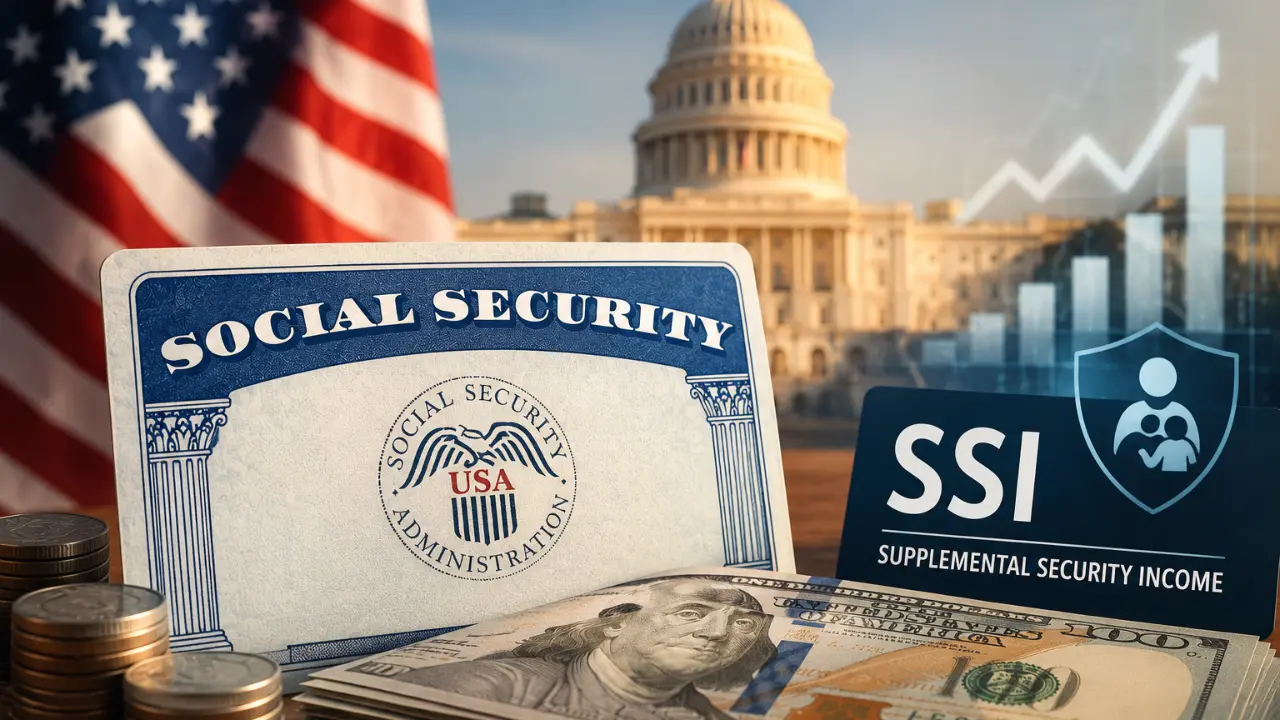
The Supplemental Security Income (SSI) program continues to offer critical financial assistance to countless Americans who have low incomes and few assets. SSI is operated by the Social Security Administration (SSA) and assists individuals that qualify financially and have disabilities or blindness and people aged 65 years or above. For 2026, beneficiaries have received new benefit amounts due to the cost-of-living adjustment (COLA) as well as an exclusive payment calendar that impacts August payments.
The highest SSI payment for 2026 will be $994 per month for an eligible individual, $1,491 per month for an eligible couple, and $498 per month for an essential individual. These amounts have been arrived at assuming that the COLA for this year, 2026, that took effect from January, was 2.8%. It is possible that the amount of money payable could be less depending on some factors like the income level of the beneficiary, living arrangements, and additional payments that the state governments offer to SSI recipients.
There are two main concerns regarding SSI recipients this summer. One of these concerns is the timing of payment for the month of August 2026. Normally, payments for SSI take place on the first day of every month. Since the first day of August 2026 is a Saturday, the SSA is going to pay SSI payments earlier on the last day of July, 2026, which falls on the 31st day of July. Therefore, beneficiaries will get their payments for July on two occasions, one on the 1st of July for the July payment, while the other payment will be on the 31st day of July for August’s payment. There will be no SSI payment in August, but this doesn’t mean that the SSI beneficiaries are missing out on any payments during this month. To be eligible for Supplemental Security Income, applicants have to meet strict financial criteria set by the SSA. The SSI program is meant for people who have low incomes and few resources. Apart from meeting income limitations, applicants should either be blind, have a qualifying disability or be above the age of 65.
In addition, recipients should be aware of the fact that SSI is not equal to either Social Security retirement or Social Security Disability Insurance (SSDI). In particular, the Supplemental Security Income program does not include any Social Security payroll taxes; therefore, people might qualify for the program even though they have not worked for a sufficient amount of time to qualify for the retirement benefits of Social Security. The SSA recommends to its beneficiaries to check their payments online through the SSA account as well as keep their personal data up-to-date. When people experience delays in receiving payments, they need to first determine the payment schedule. Knowing this schedule will help avoid mistakes that can be caused by changing the dates due to weekends and holidays as federal holidays and weekends affect the payment dates.In summary, as 2026 approaches, the Supplemental Security Income becomes a crucial financial support for millions of Americans. With updated federal payment amounts, annual adjustment to the Cost-of-Living Allowance, and upcoming changes in payment dates, beneficiaries are recommended to use announcements made by the Social Security Administration in order to know everything regarding the process and schedule.
1 thought on “Supplemental Security Income Benefits and Payment Updates ”